

When your shower starts looking dull, stained, or outdated, most homeowners think they have only one option—replace it entirely. But the truth is, refinishing often offers a faster, more affordable, and eco-friendly solution. In this article, we’ll break down the key differences between refinishing and replacement so you can make the best decision for your home.
Cost Comparison
Replacing a shower can cost anywhere from $3,000 to $10,000 depending on size, materials, and labor. Refinishing, on the other hand, is a fraction of that price—usually between $500 and $1,000. This means homeowners can save up to 70% by choosing refinishing over replacement.
Timeframe
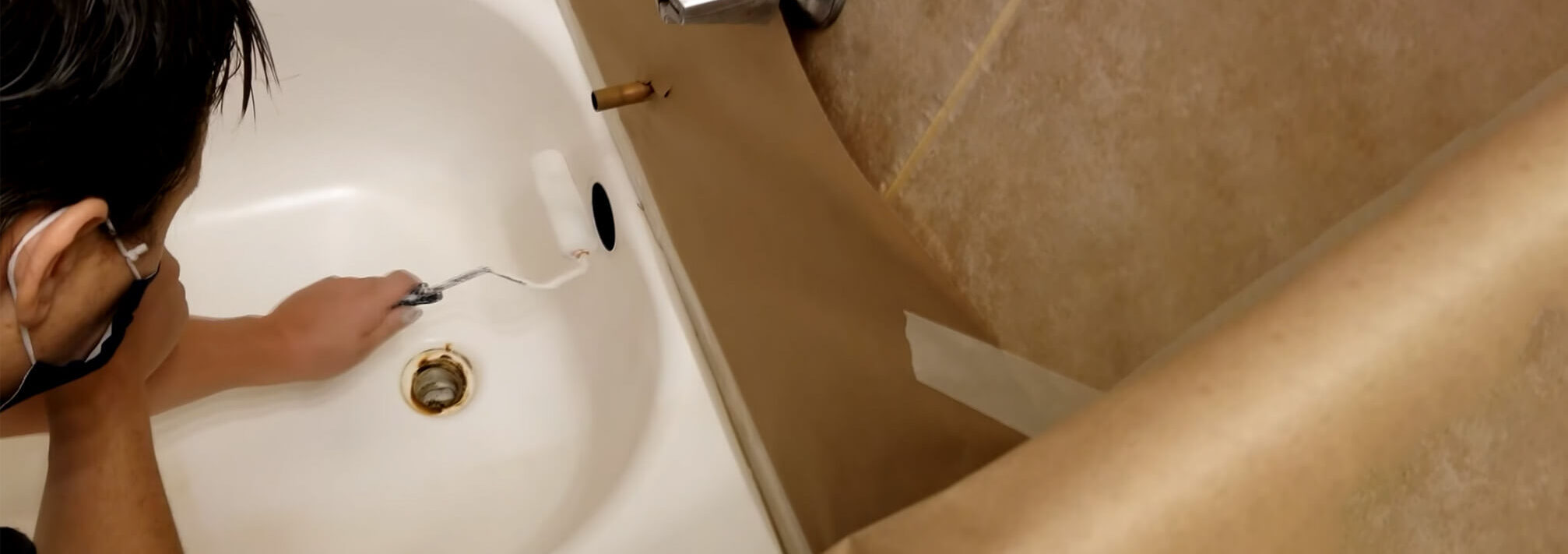
Replacement projects often take weeks, sometimes months, especially if plumbing and tile work are involved. Refinishing is completed in as little as one day, with minimal disruption to your routine.
Durability
Modern refinishing products are designed to last. With proper care, a refinished shower can look great for 10–15 years. Plus, refinishing fixes chips, scratches, and discoloration while creating a smooth, like-new surface.
Eco-Friendly Benefits
Replacement often means tearing out old materials, much of which ends up in landfills. Refinishing uses low-VOC coatings and sustainable methods, reducing waste and your environmental footprint.
When to Replace Instead
If your shower has structural issues—like cracks in the base, leaks, or serious mold damage—replacement may be the better choice. Refinishing works best for surfaces that are solid but simply worn or outdated.
Final Takeaway
For most NC homeowners, refinishing offers the perfect balance of cost, speed, and sustainability. If your shower looks tired but is still structurally sound, refinishing is a smart investment that saves time, money, and the planet.